The Decline of Ancient Greece: Continuity and Change
The decline of Ancient Greece was caused by ongoing warfare, political instability, and foreign conquest. Artifacts such as Greek weapons, the ruins of the Parthenon, and Macedonian coins demonstrate how military conflict, weakening city-states, and the rise of Macedonia led to major political and cultural changes while still preserving important elements of Greek civilization.
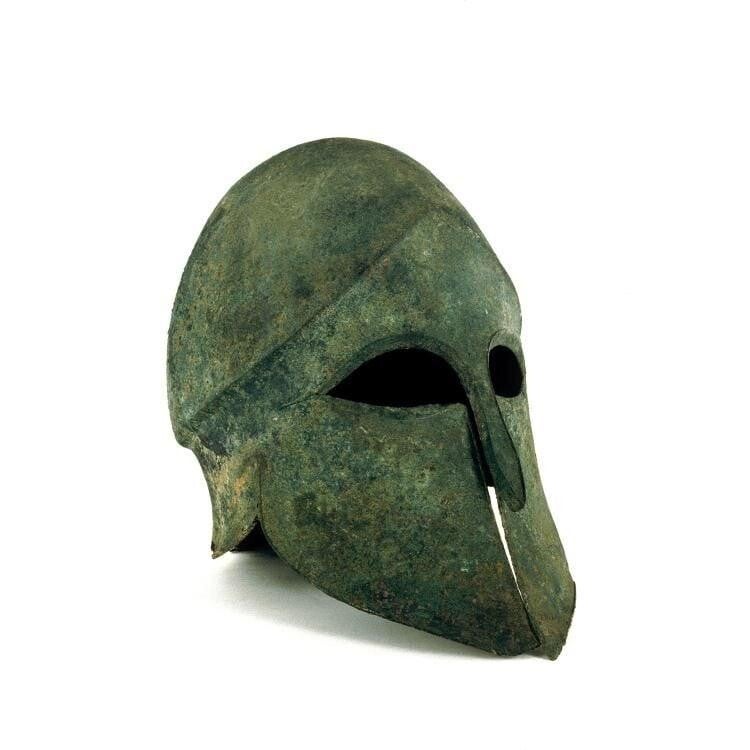
Artifact 1: Greek Hoplite Weapons
A bronze Greek hoplite helmet
British Museum. “Bronze Helmet.” Accessed May 28, 2026. https://www.britishmuseum.org/.
An important artifact connected to the decline of ancient Greece is the bronze hoplite helmet and spear that was used by Greek soldiers during the Peloponnesian War. Hoplites were heavily armed foot soldiers who fought for cities such as Athens and Sparta. These weapons represent the constant warfare in Greece over time.
The Peloponnesian War Lasted from 431 BCE to 404 BCE and was fought mainly between Athens and Sparta. This War caused destruction, economic problems, and food shortages along with loss of life throughout Greece. Although the Greeks were known for their military strength, this continuous fighting between the cities made them weaker and less united. This ultimately allowed outside powers, especially Macedonia under Philip II, to eventually conquer and take over Greece.
These artifacts represent both continuity and change as warfare had always been an important part of Greek society, so military traditions continued throughout Greek history. However, this war marked a major turning point because the fighting became more destructive and divided the city. Instead of protecting Greece, warfare helped cause its decline. The changes were mostly negative because they weakened the economy and political stability of the city.
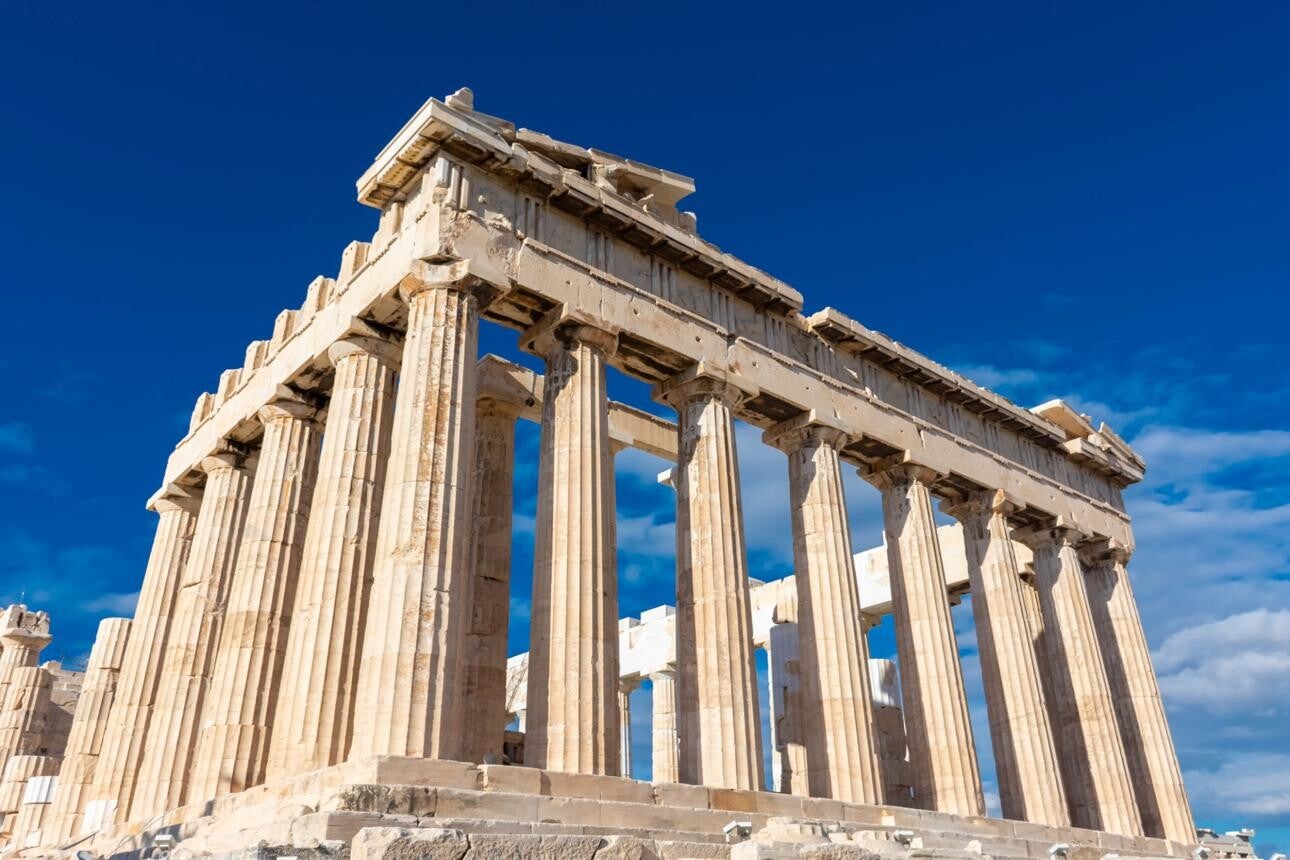
Artifact 2: The Ruins of the Parthenon
The Parthenon ruins in Athens
World History Encyclopedia. “Parthenon.” Accessed May 28, 2026. https://www.worldhistory.org/Parthenon/.
Another super important artifact is the Parthenon in Athens. The Parthenon was built during the Golden Age of Athens and was dedicated to the goddess Athena. The people of Greece were not allowed inside the Parthenon but they brought sacrifices and gifts which were said to show Athena their love. Priests were the only ones that were allowed inside the Parthenon. Today, the ruins of the Parthenon show both the greatness of Ancient Greece and the decline that followed.
The Parthenon reflects the cultural achievements of Greece in architecture, religion, and art. A mortar shell that was fired during a battle in the Morean war caused the middle section of the Parthenon to collapse, killing 300 people. When the Venetian temporarily took over Greece they tried to take down some of the buildings as they wanted their marble to take back to Italy.
This artifact represents continuity because Greek culture, philosophy, and architecture continue to influence later civilizations even after Greece lost political power. Many modern government buildings and monuments are still inspired by Greek architecture. At the same time, the Parthenon also represents change because it demonstrates the fall of Athens for a powerful Empire to a weakened City.
The decline happened slowly over time as Greece faced wars and foreign invasions even though political control, Greek culture survived and continued to influence the Roman Empire and the modern world.
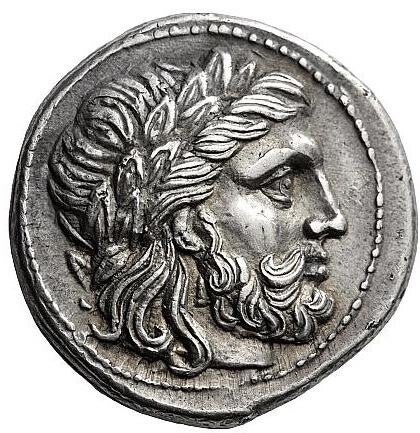
Artifact 3: Macedonian Coins of Philip II
Silver Macedonian coin
World History Encyclopedia. “Philip II of Macedon.” Accessed May 28, 2026. https://www.worldhistory.org/Philip_II_of_Macedon/.
The third and final important artifact is the silver coins created during the rule of Philip II of Macedonia. These coins symbolize the rise of Macedonia and the conquest of Greece. Philip ll used military strength and political alliance to unite Macedonia and eventually defeat the Greeks.
These coins often displayed symbols of power and authority, showing the growing influence of Macedonia over Greece. After years of conflict between Athens, Sparta, and other cities, Greece became two divided to resist Macedonian expansion. The battle of Chaeronia in 338 BCE marked the defeat of the Greek city and the beginning of Macedonian control.
This coin represents change because it marks the end of Greek Independence. Power shifted away from the traditional city and toward a larger Empire controlled by Macedonia. However, there was also continuity because Greek culture spread even further during the rule of Alexander the Great, the son of Philip ll. Greek language, art, and ideas spread across large parts of Europe, Asia, and Africa during the Hellenistic age.
This turning point was significant because Greece lost political independence but gained greater cultural influence throughout the ancient world.
The decline of Ancient Greece was not caused by one event alone but by a combination of warfare, internal conflict, and foreign conquest. These three artifacts demonstrate important causes and effects of his decline, they also show how Greek civilization experienced both continuity and change. Even though Ancient Greece eventually lost political power, its cultural achievements continued to influence future civilizations.
Bibliography
British Museum. “Bronze Helmet.” Accessed May 28, 2026. https://www.britishmuseum.org/.
Cartwright, Mark. “Peloponnesian War.” Ancient History Encyclopedia. Accessed May 28, 2026. https://www.worldhistory.org/Peloponnesian_War/.
Encyclopaedia Britannica. “Ancient Greece.” Accessed May 28, 2026. https://www.britannica.com/place/ancient-Greece.
Encyclopaedia Britannica. “Philip II.” Accessed May 28, 2026. https://www.britannica.com/biography/Philip-II-king-of-Macedonia.
History.com Editors. “Ancient Greece.” History. Accessed May 28, 2026. https://www.history.com/topics/ancient-history/ancient-greece.
UNESCO World Heritage Centre. “Acropolis, Athens.” Accessed May 28, 2026. https://whc.unesco.org/en/list/404/.
World History Encyclopedia. “Parthenon.” Accessed May 28, 2026. https://www.worldhistory.org/Parthenon/.
World History Encyclopedia. “Philip II of Macedon.” Accessed May 28, 2026. https://www.worldhistory.org/Philip_II_of_Macedon/.
Create Your Own Website With Webador